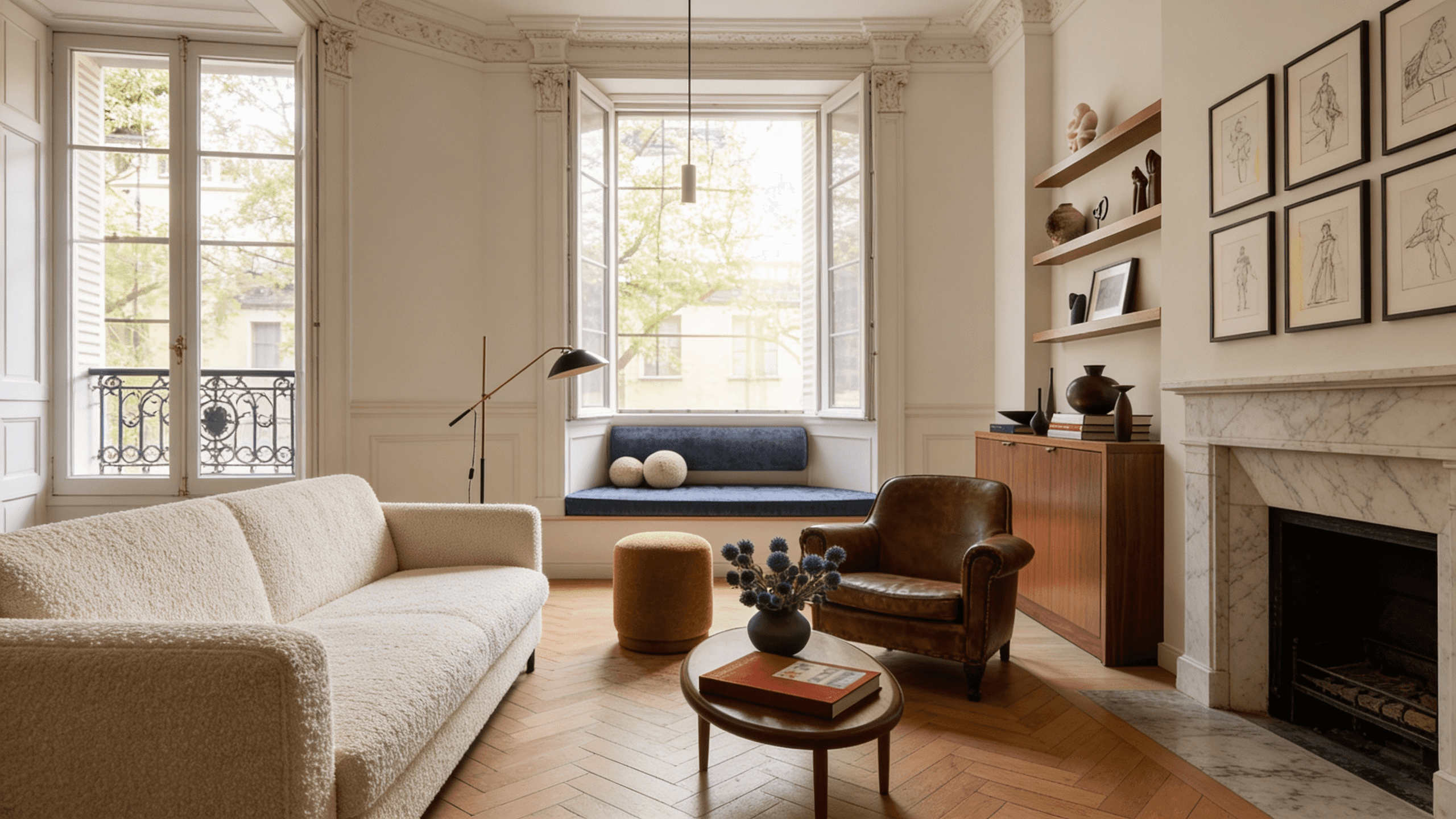
Staging That Actually Sells
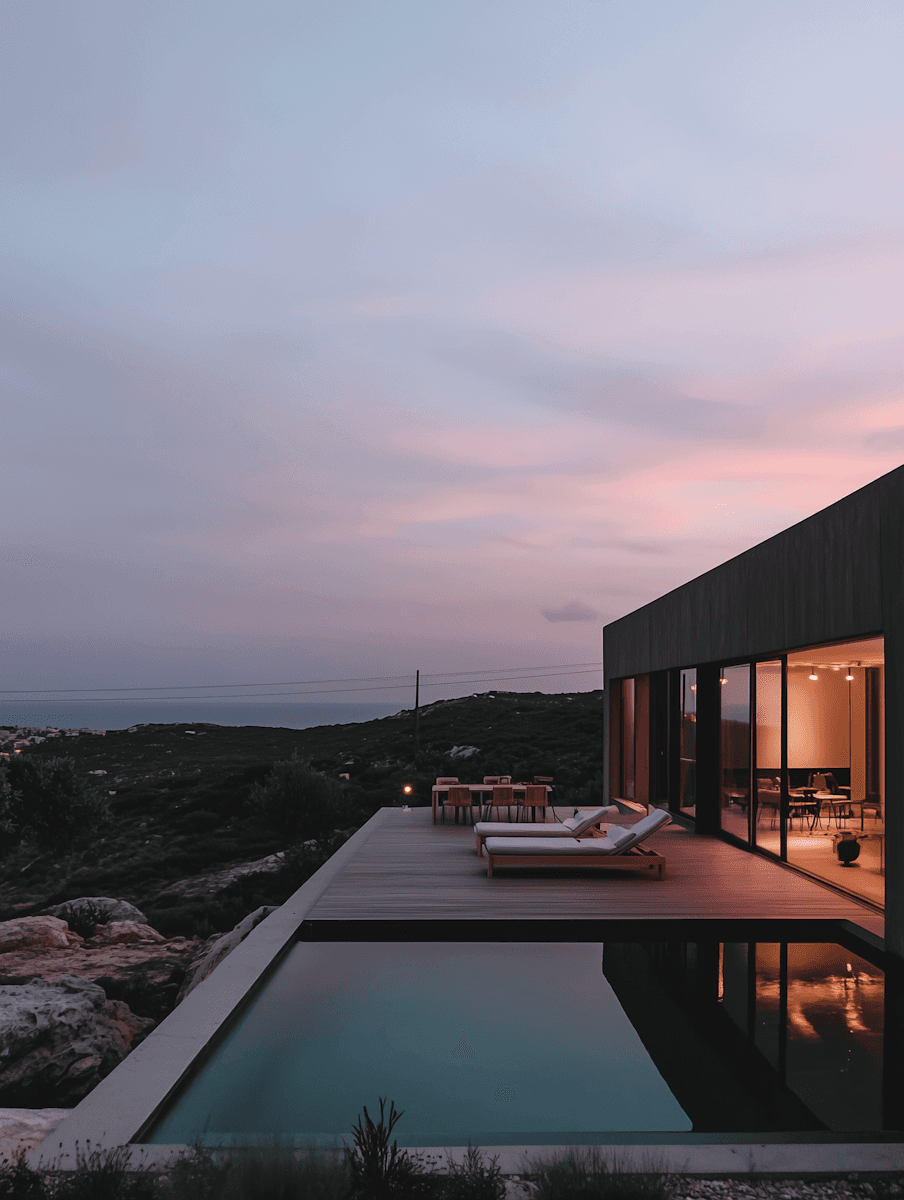
Most Sellers Think Staging Is About Decoration.
It isn't.
Staging is about helping buyers see value faster.
When buyers walk into a home, they're not evaluating square footage the way an appraiser would. They're imagining their future there.
The easier that vision becomes, the stronger your position becomes.
That's why some homes generate multiple offers in a weekend while others sit on the market for months.
The difference often isn't the property.
It's the presentation.
Buyers Decide Faster Than You Think
I've watched hundreds of buyers tour homes over the years.
Most people assume buyers carefully evaluate every room before forming an opinion.
The reality is much different.
Within minutes, buyers begin making emotional decisions.
They notice:
Natural light
Cleanliness
Layout flow
Furniture placement
Overall feeling
Only afterward do they begin justifying those feelings with logic.
That's why staging matters.
It shapes the first impression before buyers start analyzing details.
The Goal Isn't Perfection
One of the biggest misconceptions about staging is that every home needs to look like a luxury magazine.
Most don't.
The goal isn't perfection.
The goal is removing distractions.
Buyers shouldn't be focused on:
Personal collections
Excess furniture
Bold paint colors
Crowded countertops
Unfinished projects
The less visual noise they encounter, the easier it becomes to focus on the home itself.
The Rooms That Matter Most
Not every room carries the same weight.
If budget is limited, I tell clients to focus on four spaces first:
Living Room
This is where buyers imagine spending time.
Open layouts, comfortable furniture arrangements, and natural light make a significant difference.
Kitchen
The kitchen often influences a buyer's perception of the entire property.
Simple updates can have an outsized impact.
Fresh hardware, clean surfaces, and updated lighting often outperform expensive renovations.
Primary Bedroom
Buyers want the space to feel calm and comfortable.
Neutral colors and thoughtful furniture placement help create that feeling.
Entryway
The first thirty seconds matter.
A welcoming entrance sets the tone for everything that follows.
What We Changed For One Seller
Last year, I worked with a seller whose home had been beautifully maintained but felt crowded.
Nothing was wrong with the property.
It simply wasn't showing its potential.
We made a few targeted changes:
Removed oversized furniture
Repainted two rooms
Updated light fixtures
Simplified decor
Improved photography
The total investment was under $10,000.
The final sale exceeded expectations by more than $50,000.
The improvements didn't create value.
They revealed value that was already there.
What I Tell Clients Not To Do
Not every improvement produces a return.
Some projects consume time and money without influencing buyers.
I regularly advise clients against:
Major kitchen remodels before listing
Expensive custom upgrades
Full furniture replacement
Trend-driven renovations
The objective isn't spending more.
It's spending smarter.
Every dollar should have a purpose.
Staging Starts Before The Photographer Arrives
Professional photography amplifies what already exists.
If the home isn't prepared, better photos won't solve the problem.
Before photography day, I walk through every room with clients.
We focus on:
Lighting
Furniture placement
Visual balance
Clutter removal
Exterior presentation
The camera notices everything.
Preparation matters.
Why Buyers Pay More For Staged Homes
Staging doesn't change square footage.
It doesn't change the lot size.
It doesn't change the neighborhood.
What it changes is perception.
Buyers feel more confident.
Confident buyers make stronger offers.
Stronger offers create better outcomes.
The financial return often has very little to do with furniture and everything to do with psychology.
Final Thoughts
The best staging isn't obvious.
Buyers shouldn't walk into a home thinking about the staging.
They should walk in and immediately feel comfortable.
That's the difference.
The goal isn't decorating a property.
The goal is creating an experience.
And when that experience feels right, buyers respond.
Buyers don't pay more because a home is staged.
They pay more because staging helps them see its full potential.
— James Harlow